
If you made it through another Colorado summer without seeing obvious leaks or water stains on your ceiling, you might think your roof handled the hailstorms just fine. But in Northern Colorado, even roofs that look “okay” after hail season can hide problems beneath the surface. September is the ideal time for homeowners like you to schedule a post-hail inspection and protect your roof from future issues as colder, wetter weather looms.
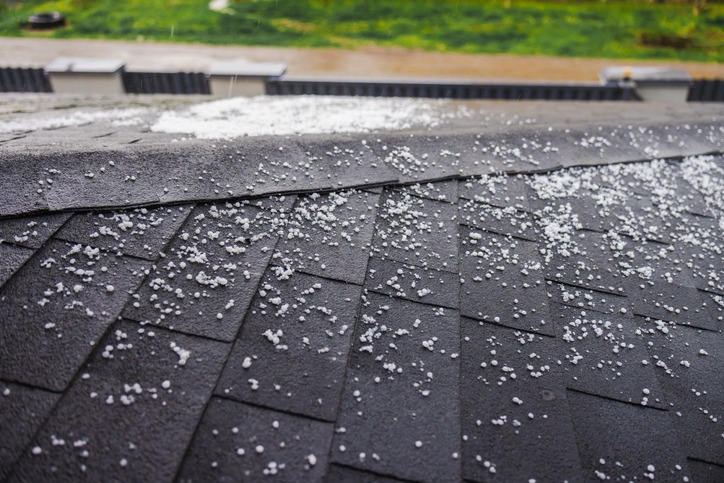
Why Hail Damage Doesn’t Always Reveal Itself Right Away
While hail can shatter windows and dent vehicles in an instant, its effect on your roof can be surprisingly subtle. Shingles may look intact from the ground, but hail can still:
-
Crack or fracture the shingle’s protective granule layer
-
Loosen or dislodge flashing around chimneys and vents
-
Cause hidden divots or bruises that weaken shingles over time
Days or weeks can pass before these injuries develop into real problems. Water may slowly seep under loosened shingles, especially once fall storms begin. What started as a minor vulnerability could become a costly winter leak.
Common Signs of Hidden Roof and Gutter Damage After Hail
Sometimes, the clues that hail left behind aren’t easy to spot without a close look. Warning signs you shouldn’t ignore include:
-
Gutters overflowing or pulling away from the home
-
Soft or bouncy areas when walking on the roof (a sign of shingle bruising)
-
Loose or missing granules at downspouts
-
Small dents or bent flashing near roof edges
In the Loveland and Northern Colorado region, homeowners often find out about such damage when the first snowstorm of the season melts into the attic or crawl space. It’s far less stressful and less expensive to catch these issues in September than to discover them during a winter emergency.
Why September Is the Best Time for a Roof Inspection in Northern Colorado
Roofing experts and local insurance adjusters agree: early fall is a strategic window for a complete roof assessment. Here’s why September is ideal:
-
The heavy hailstorms have ended, but winter precipitation hasn’t started.
-
Cooler weather allows roofing crews to safely and thoroughly examine shingles, flashing, and gutters without rushing.
-
If damage or wear is found, there’s still time to repair before freezing temperatures arrive. This prevents small cracks or leaks from expanding in the cold and causing greater harm.
AJ Shirk Roofing technicians have served Loveland and Fort Collins homes through countless hail seasons. In many homes, we’ve found hidden damage in September inspections that helped owners avoid more extensive roof replacement or insurance headaches months later.
What a Professional Roof Inspection Includes After a Hailstorm
A roof inspection with an experienced local contractor goes beyond a quick once-over. During an autumn assessment, your technician will:
-
Evaluate the condition of your shingles for cracks, bruises, or missing granules
-
Examine flashing, vents, and skylights for signs of loosened seals or dents
-
Check gutter systems for proper drainage and hail-induced dents or obstructions
-
Assess your roof’s underlying structure for any signs of moisture intrusion
If repairs are needed, your contractor can recommend whether a roof repair or a full replacement is warranted. Addressing hidden issues now means you won’t be surprised by serious leaks or ice dams during the colder months.
Schedule Your Post-Hail Roof Inspection in Loveland, CO
Take proactive steps to safeguard the value of your home as fall approaches. To schedule a professional post-hail roof inspection, or to get assistance with roof repair or assessment for insurance claims, contact the trusted team at AJ Shirk Roofing in Loveland, CO. Call (970) 669-6999 or fill out our online form today to secure your appointment before the next Colorado storm season arrives.